
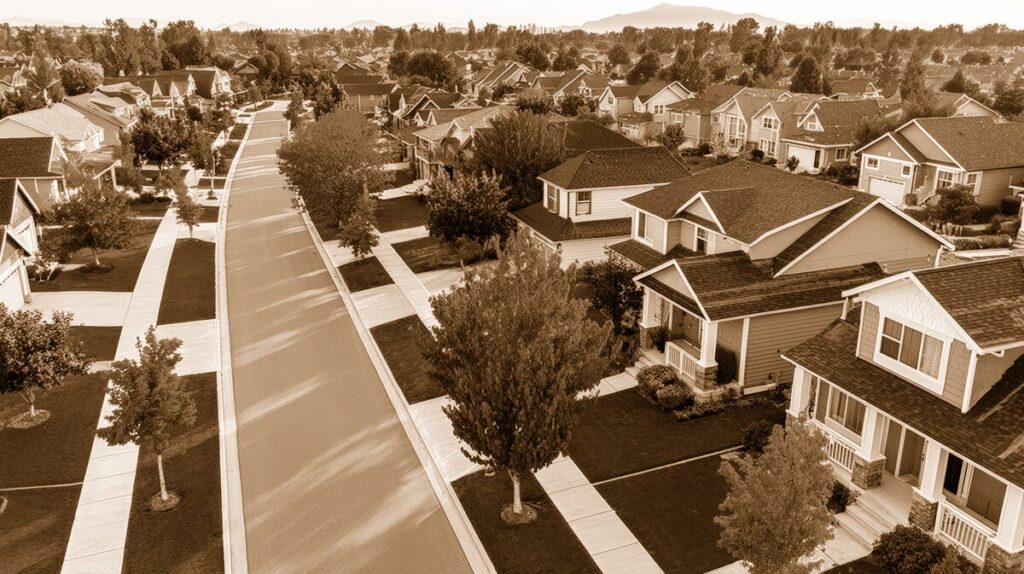
Elm Creek is more than just an address on the map of San Antonio — it’s a leafy sanctuary with a story woven through decades of growth and change. Known today for its gated serenity, graceful tree-lined streets, and a blend of elegant homes, Elm Creek is a neighborhood with deep roots and a rich heritage. Let’s take a step back in time and walk through the origins, milestones, and character that make Elm Creek a cherished part of San Antonio’s tapestry.
The Birth of Elm Creek: Origins and Name
Elm Creek’s story begins in the rolling north-central hills of San Antonio, before Loop 1604 became the city’s suburban beltway. Originally, Elm Creek was wilderness dotted with towering elms, oaks, and native brush. Long before residential development, Native American tribes traveled near the area's small watercourses, hunting and foraging beneath the shade.
The area’s defining waterway, known as Elm Creek, lent its name naturally. With its cool, meandering path through what is now the subdivision, the creek was a constant, life-giving presence. Early settlers and, later, ranchers in the 19th century referenced Elm Creek as a boundary marker and reliable water source for livestock.
From Ranchland to Residential Haven
For much of the 20th century, this land was part of sprawling ranches on the periphery of San Antonio. Among these ranches, the land that would eventually become Elm Creek remained largely untouched. Ranchers valued the fertile pastures and the privacy provided by the dense woods.
The 1970s marked a turning point. With San Antonio’s expansive growth northwards along IH-10 and the construction of Loop 1604, landowners faced increasing interest from developers. Sensing the potential for a unique enclave, visionary developers set out to create a community that would prioritize green spaces and natural beauty. Planning began in the late 1970s, with a focus on preserving as many native trees as possible.
Elm Creek officially debuted in the early 1980s as one of San Antonio’s first truly gated residential communities — a novel concept for the city at that time.
Key Milestones in Elm Creek’s History
- 1980s: Gated Community Takes Shape
Elm Creek’s defining iron gates, now a familiar landmark on Vance Jackson Road, were installed. Residents took pride in the neighborhood’s security and exclusivity, drawing high-profile professionals and growing families alike.
- Architectural Character Established
Unlike cookie-cutter subdivisions, Elm Creek allowed for custom-built homes on large lots. Stately houses with Mediterranean, Colonial, and contemporary influences rose along winding roads like Elm Hollow, Hidden View, and Bitterroot Drive.
- Neighborhood Amenities Flourish
The Elm Creek Homeowners Association formed, taking on guiding the neighborhood’s amenities and social events. Central to community life became the well-kept parks and greenbelts, and the wooded walking trails that trace the original creek bed.
Landmarks, Institutions, and Hidden Gems
Elm Creek doesn’t have commercial buildings or public parks within its gates; its landmarks are intrinsic to the neighborhood fabric.
- The Elm Creek Gates
The wrought-iron gates at the entrance on Vance Jackson are more than security — they're a symbol of the neighborhood’s beginnings and identity.
- Greenbelts and Trails
The swath of untouched woodland and trails alongside Elm Creek’s namesake waterway are little slices of sanctuary for walkers, joggers, and wildlife alike.
- The Community Clubhouse
At the heart of Elm Creek lies the clubhouse and tennis courts, where neighbors gather for meetings, social events, and celebrations — echoing the sense of close-knit community that Elm Creek is known for.
- Nearby Institutions
While not inside Elm Creek, nearby institutions like Hobby Middle School and Clark High School (both off De Zavala Road) have played important roles in the lives of Elm Creek families for decades.
Streets with a Story
Several Elm Creek streets carry echoes of the neighborhood’s leafy precedent:
- Elm Hollow Street is a tribute to the area’s earliest natural feature.
- Hidden View Street reflects the developers’ goal to keep homes tucked discreetly among the trees.
- Bitterroot Drive and Cheyenne Circle harken back to the Texan landscape and pioneer spirit.
Evolving Through the Decades
Though Elm Creek began as an exclusive outpost on the suburban frontier, time has drawn the city’s edge ever closer. Loop 1604 and IH-10’s expansion have brought shopping, dining, and business parks within just a short drive.
Despite San Antonio’s rapid growth, Elm Creek has steadfastly preserved its original vision — privacy, green space, and strong community ties. The blend of long-lived residents and new families continually re-energizes neighborhood traditions, from Halloween parades to spring socials.
Notably, recent decades have seen a robust commitment to maintaining the neighborhood’s heritage: restoration of stonework at entry gates, the ongoing care for mature trees, and the protection of natural greenbelts remain a shared priority.
What Makes Elm Creek Special Today
Ask a longtime resident, and you’ll hear that Elm Creek’s true magic lies in its timeless sense of place and belonging. Kids still ride their bikes through safe streets ringed by mature shade trees. Neighbors wave at each other as they tend gardens or walk their dogs. Holiday traditions, block parties, and a strong sense of security create bonds that span generations.
Elm Creek stands as a testament to thoughtful planning and a deep respect for the land’s original character. As San Antonio’s skyline creeps ever northward, Elm Creek remains a peaceful retreat — a place where history and heritage blend seamlessly with the modern rhythms of daily life.
Conclusion
To stroll through Elm Creek is to step into a living legacy — one where history is treasured, nature is revered, and community spirit endures. Whether you’re drawn to its storybook lanes or its wooded sanctuaries, Elm Creek offers a distinct and cherished piece of San Antonio’s heritage, deserving of celebration for generations to come.